Destination Pakistan

Explore Pakistan's diverse cultures & heritage, snow-crowned mountains, scenic-valleys, bustling cities, seasonal charm, and outdoor activities through expertly curated travel guides.

Destination Pakistan Guide

YOUR COMPLETE TRAVEL GUIDE

"Discover Pakistan - A Land of Timeless Beauty and Living Heritage"

From soaring mountains to ancient cities, vibrant cultures, and coastal horizons, Pakistan is a land of remarkable diversity. Shaped by ever-changing seasons, each region reveals a new landscape, story, and experience—where nature, history, culture, and adventure unite in an inspiring and unforgettable journey.

DISCOVER PAKISTAN

Explore Destinations

From soaring mountains to ancient cities, each region reveals and new landscape, story, and experience

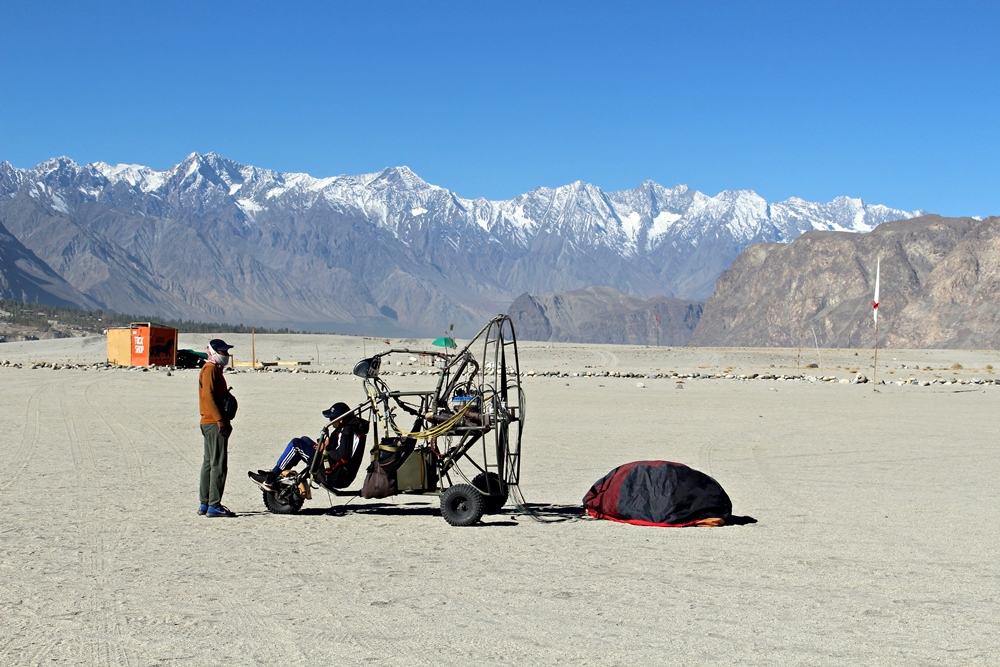
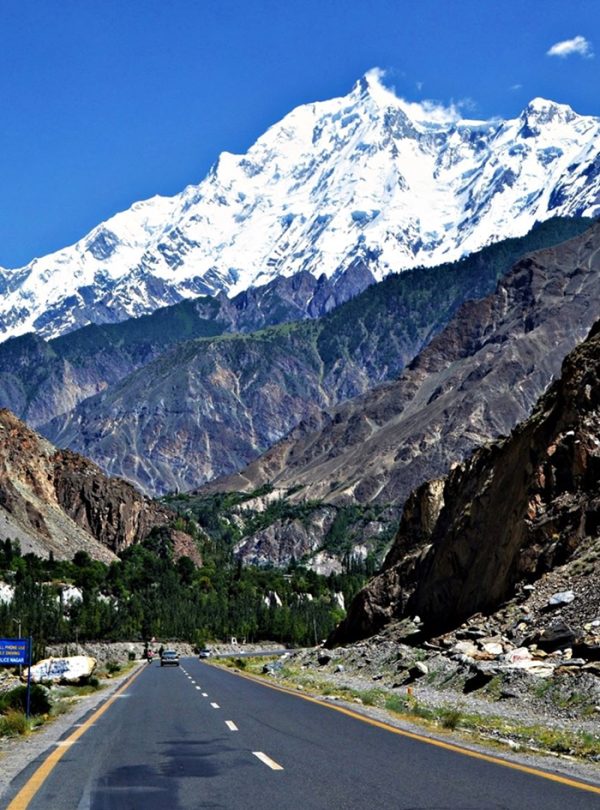
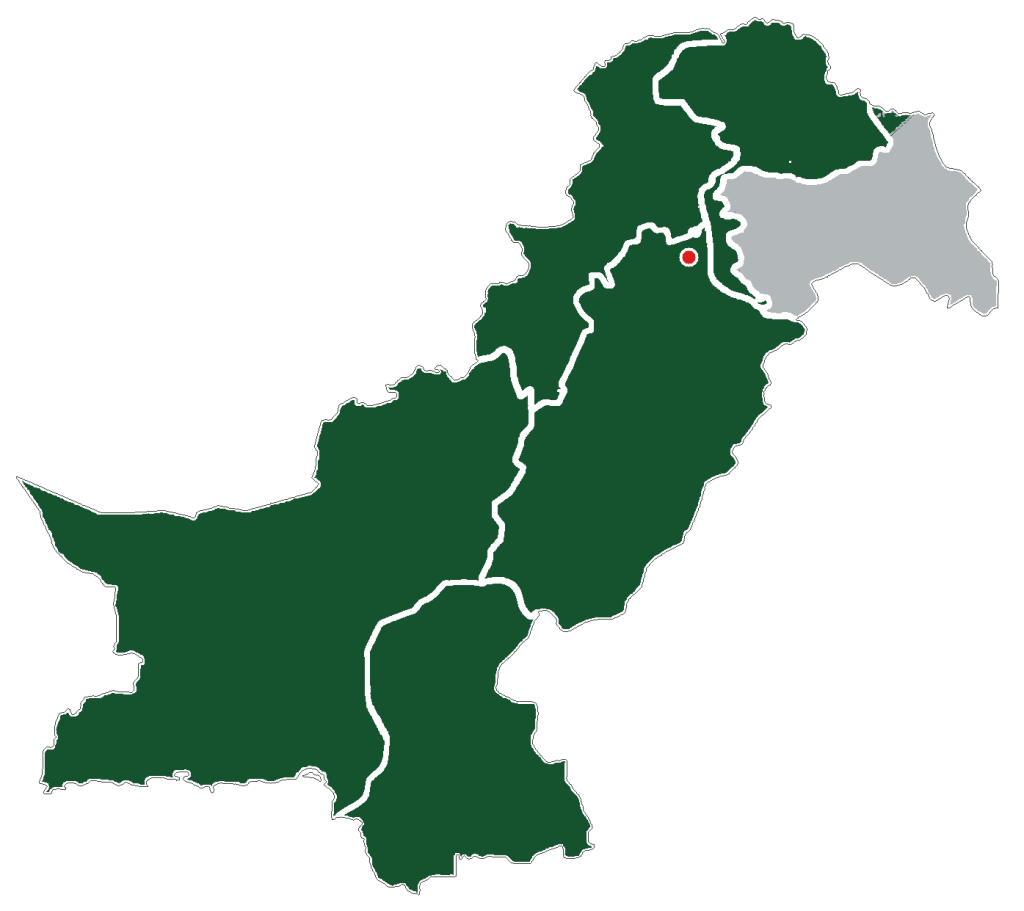
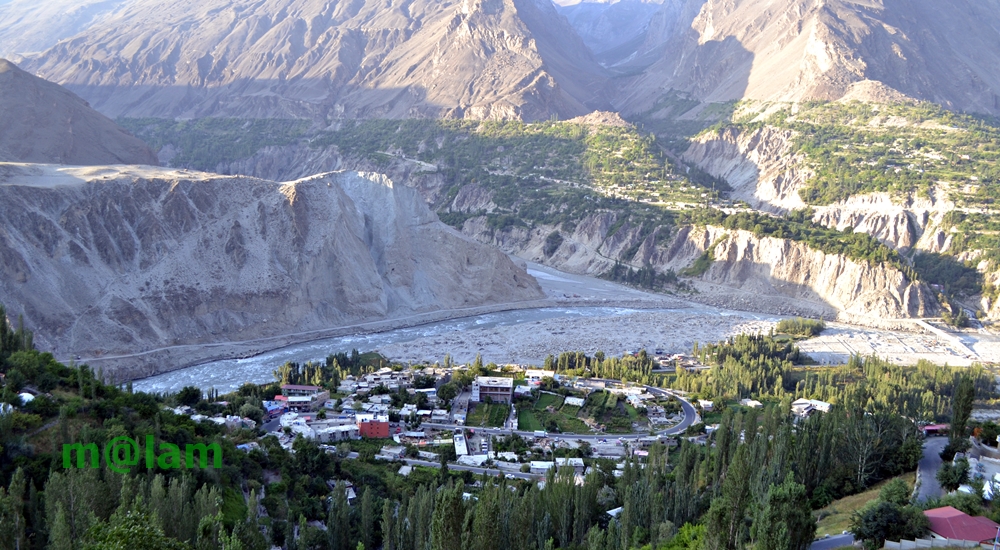
Gilgit-Baltistan
Gilgit-Baltistan
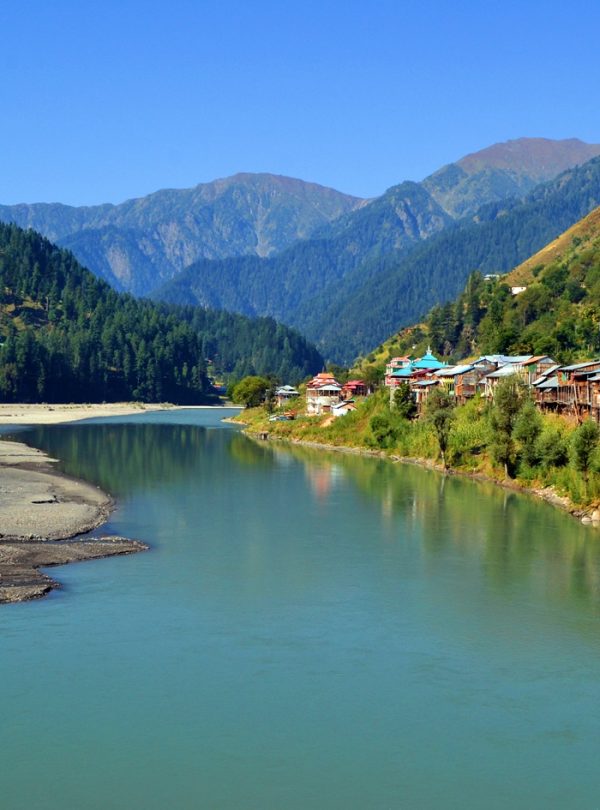
Azad Kashmir
Azad Kashmir
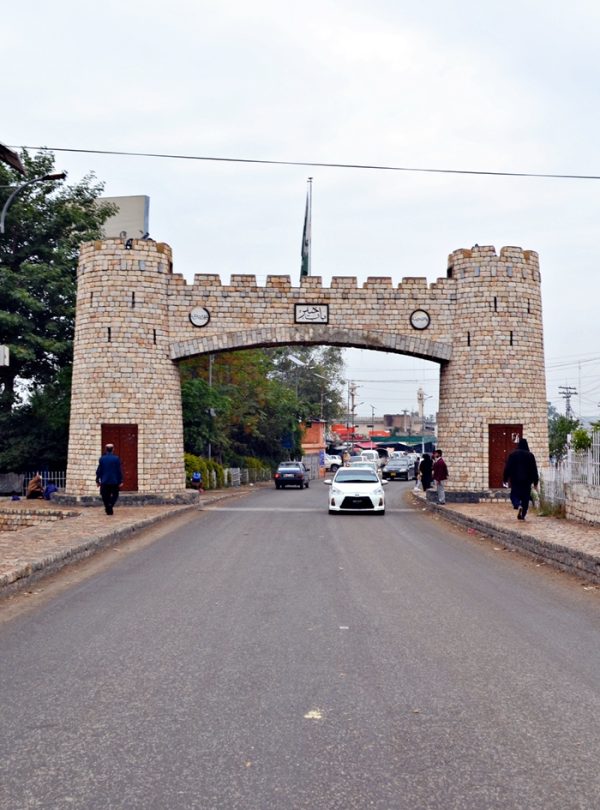
Khyber Pakhtunkhwa
Khyber Pakhtunkhwa
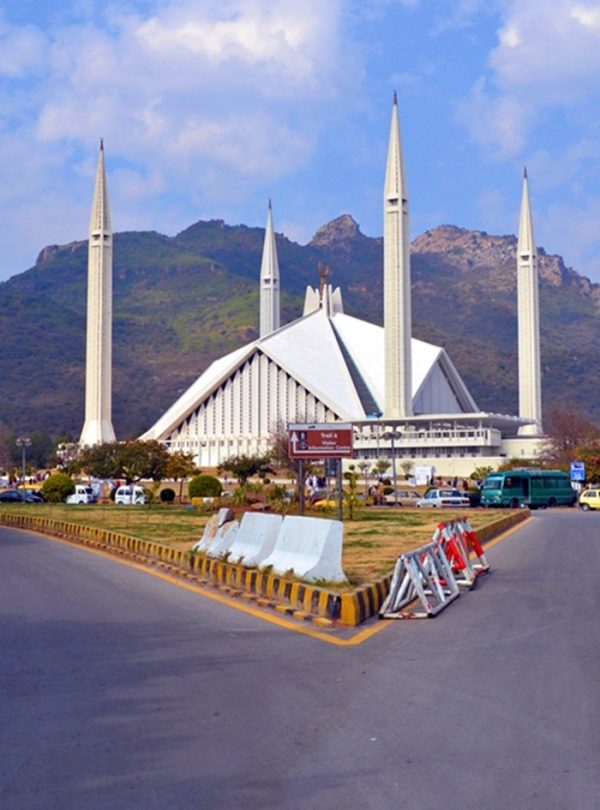
Islamabad
Islamabad Capital City
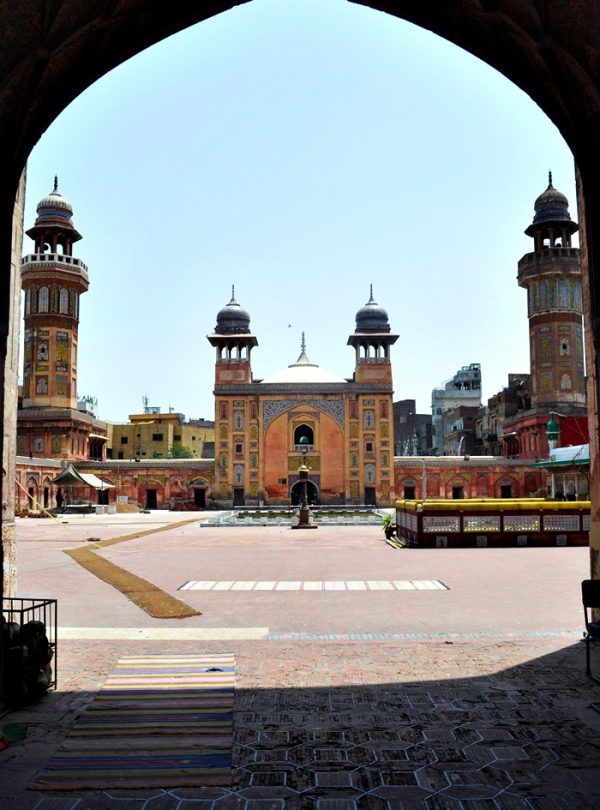
Punjab Province
Punjab
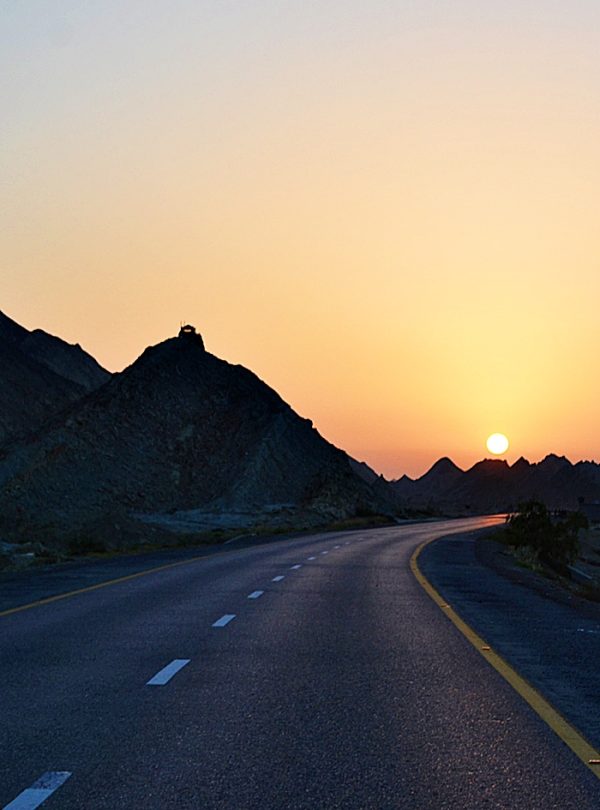
Balochistan
Balochistan
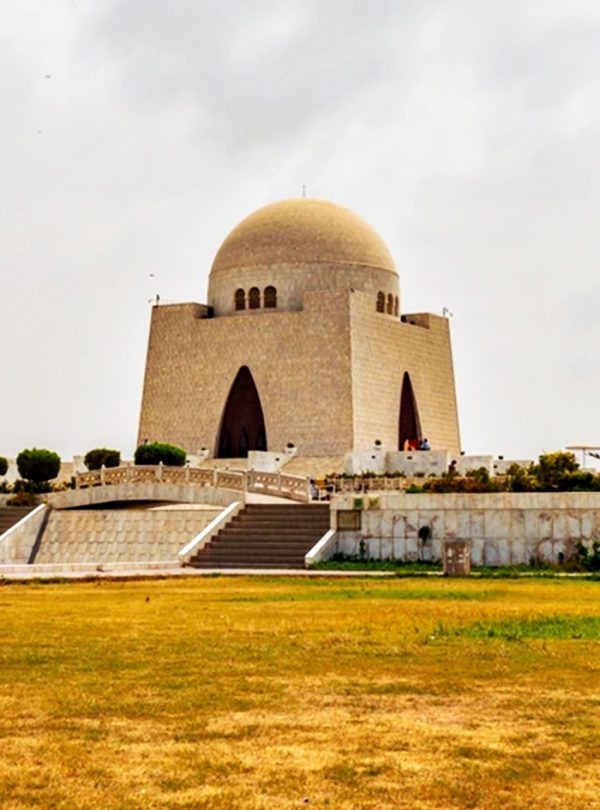
Sindh
Sindh

BEST TIME TO VISIT

Experience by Season

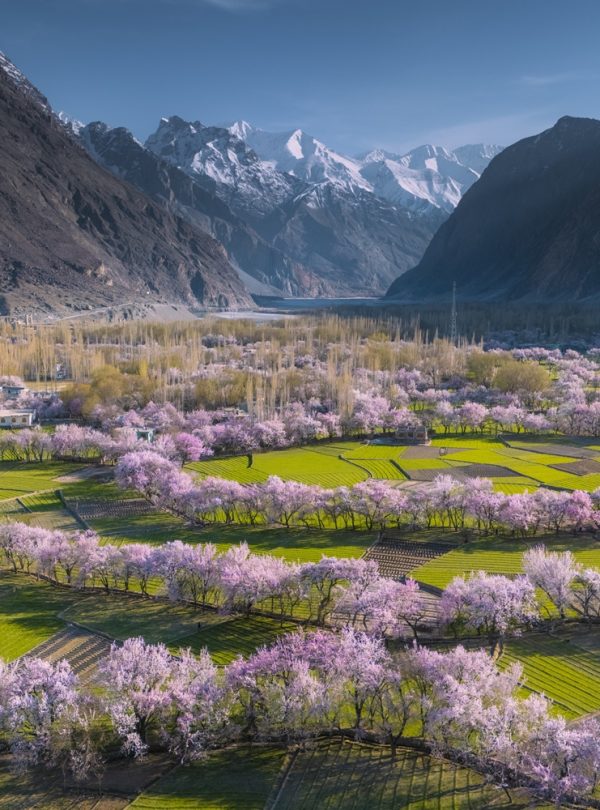
Spring Blossom
Blossom in Pakistan

March-April

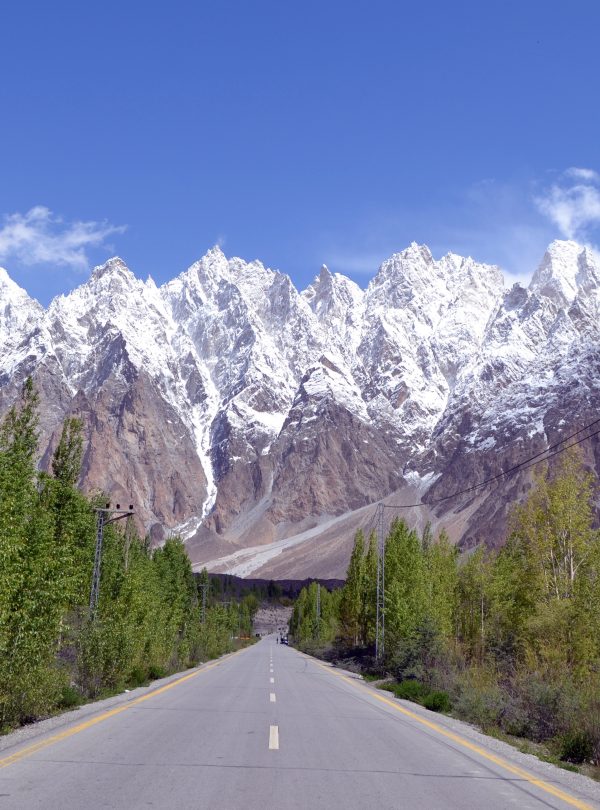
summer
Summer in Pakistan

May-September

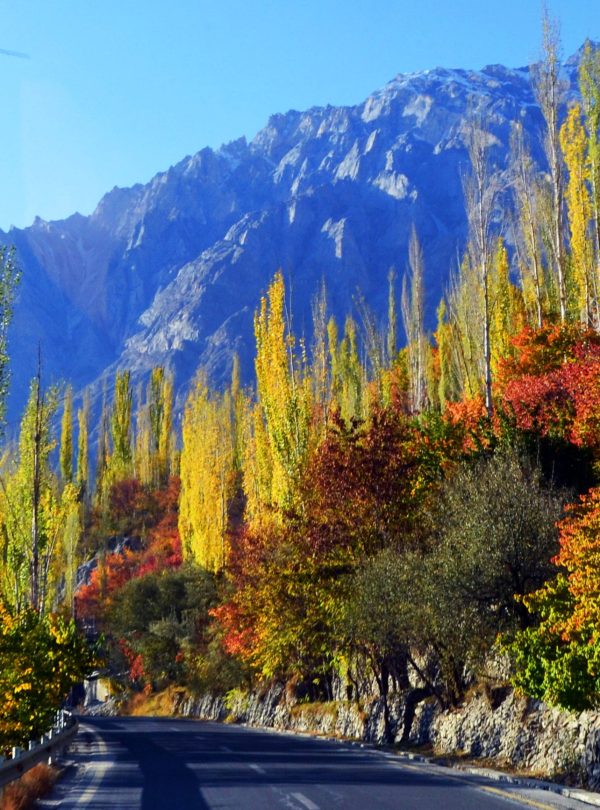
Autumn
Autumn in Pakistan

October-November

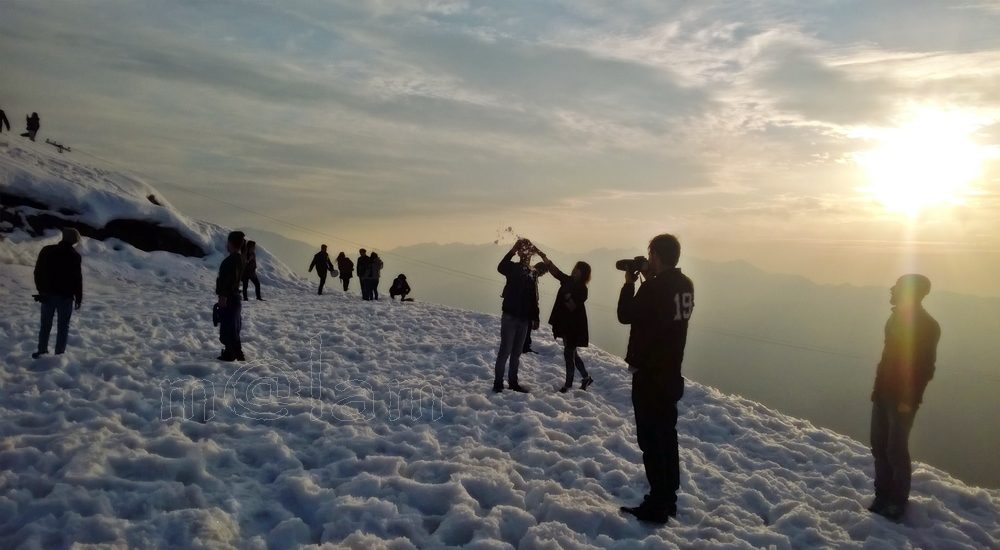
Pir Chinasi
Winter in Pakistan

December-February

CURATED FOR YOU

Explore by Experience

Whether you seek adrenaline, spiritual peace, or culinary delights, find your perfect journey.

Cultural Strip

TRAVEL STORIES

Latest Articles

Konodas Suspension Bridge

Konodas Suspension Bridge

Konodas Suspension Bridge The Konodas Suspension Bridge is a must-visit attraction in the picturesque region of Gilgit-Baltistan, Pakistan. This historic structure connects the Old Gari Bagh Bazaar in Gilgit with the Konodas area, serving as a vital link for local communities while showcasing the rich heritage of the colonial era. A Glimpse into History Built during the rule of the Maharaja of Kashmir, before the region’s accession to Pakistan, the Konodas Suspension Bridge stands as a testament to the engineering prowess of its time. Constructed over a span of 10 years, from 1895 to 1905, this bridge has surpassed a century in age. Once the only connection between the then Gilgit Agency and Central Asia; the bridge played a crucial role in trade and communication in the region. Resilient Design The flawless design of the Konodas Suspension Bridge has enabled it to withstand numerous natural calamities over the years. Unlike other structures in Gilgit-Baltistan that have succumbed to floods and harsh weather conditions, this bridge remains intact, symbolizing durability and innovation. Scenic Splendor Nestled in the breathtaking landscape of Gilgit-Baltistan, the Konodas Suspension Bridge offers more than just historical significance. The surrounding scenery, characterized by the turquoise waters of the Gilgit River and the dramatic backdrop of rugged mountains, makes it a paradise for photographers and nature lovers. Visitors can enjoy stunning panoramic views while crossing the bridge, making it a popular spot for sightseeing and photography. Key Highlights Functional Purpose: The Konodas Suspension Bridge continues to serve as a vital route for pedestrians and light vehicles, connecting the Konodas area with other parts of Gilgit. Accessibility: The bridge’s proximity to Gilgit city center makes it easily accessible for tourists and locals alike. A short journey from the town brings visitors to this iconic landmark. Adventurous Experience: Walking across the swaying suspension bridge is an exhilarating experience, enhanced by the sound of rushing river waters below. Photographic Appeal: The natural beauty surrounding the bridge creates an ideal setting for capturing memorable photographs. Why Visit the Konodas Suspension Bridge? Blending historical significance with scenic beauty, the Konodas Suspension Bridge is a shining example of engineering adaptability in the mountainous terrain of northern Pakistan. Whether you’re a history enthusiast, a photography lover, or an adventurer, this bridge offers something for everyone. Plan your visit to the Konodas Suspension Bridge and immerse yourself in the timeless charm and breathtaking views of this remarkable landmark. It’s an experience that will leave you in awe of both nature’s grandeur and human ingenuity. Nearby Attractions: British Cemetery Gilgit Biddulph House & Library Karga Buddha Hanzel Stupa Agortham Boulder Uprising Memorial Gilgit Konodas Rock Carvings Danyore Suspension Bridge Danyore Rock Inscription Chinese Graveyard Danyore The Victory Monument of Taj Mughal

Ganish Historic Settlement

Ganish Historic Settlement

Ganish Historic Settlement: A 1000-Year-Old Living History Nestled in the enchanting Hunza Valley, Ganish Historic Settlement is a rich blend of history, culture, and architecture. This small yet historically significant settlement, located along the iconic Karakoram Highway. It is believed to be the oldest village in Hunza. Ganish is recognized by UNESCO for its cultural heritage conservation. The valley offers a fascinating glimpse into the region’s storied past and vibrant traditions. A Living History on the Ancient Silk Route Ganish Historic Settlement, also known as Ganish Khun, is a 1000-year-old settlement that traces its origins to the ancient Silk Route. Its strategic location made it a critical outpost for travelers and traders journeying through the Northern Areas as early as 180 BCE to 10 CE. The village’s heritage is rooted in its original residents—the Yarikutz, Rupikutz, Kuyokutz, and Mamorokutz families—who constructed four historic mosques and watchtowers during the 16th and 17th centuries. Despite challenges like floods in 1960 and the construction of the Karakoram Highway in the 1970s, the village has retained much of its original layout, including 39 houses dating back to the 15th century. UNESCO-Awarded Conservation Efforts Ganish Village has received two UNESCO awards for Cultural Heritage Conservation in Asia Pacific (2002 and 2009). These accolades recognize the restoration efforts led by the local community with support from the Aga Khan Cultural Services Pakistan (AKCSP) and funding from nations like Norway and Spain. The preservation work not only brought Ganish international recognition but also inspired nearby communities to conserve their cultural heritage, creating a ripple effect across the region. What to See Entrance and Facilities The village’s entrance is marked by a modern Imam Bargah, which also houses a library, a dispensary, and facilities for traditional burial practices. Visitors are welcomed with a formalized entry process, including a Rs.500 fee. A local guide narrates captivating history of the village by leading you through to explore its charming streets and structures. Fortified Layout and Unique Architecture Ganish was initially built as a fortified settlement to guard against invasions. Compact houses with small doors and narrow streets reflect the practical design of the era. Homes often housed livestock near entrances to provide insulation during harsh winters and as an alert system against potential threats. The watchtowers, of which only a few remain, were strategically placed for surveillance. Originally, the back of the village overlooked a river, providing a natural defense. Although natural disasters have altered the landscape, the village’s architectural essence remains intact. Historic Mosques The four historic mosques are among Ganish’s most remarkable features. Built by local rulers to leave a lasting legacy, these mosques are small in size, reflecting the needs of the community at the time. The mosques’ wooden relief work showcases a blend of Buddhist lotus flowers, Hindu swastikas, Chinese cloud motifs, and Islamic geometric patterns, symbolizing the region’s multicultural history. Cultural and Symbolic Significance The name “Ganish” originates from Ghenish – a term in local Burushaski language referring to “gold” or “gold reserve,” highlighting the area’s historical importance. It also translates to “plain” or “plateau,” which aptly describes the settlement’s relatively flat terrain compared to the surrounding mountainous regions. The intricate carvings and motifs on the mosques’ arches underscore the village’s rich cultural interactions. These carvings offer ample opportunities for further research into the symbolism and artistry of this historic site. Why Visit Ganish Historic Settlement? Ganish Historic Settlement is more than a historic site—it’s a living heritage. Its well-preserved architecture, the stories of its people, and the blending of diverse cultural influences make it a must-visit destination for anyone exploring the Hunza Valley. The village stands as a testament to the resilience and creativity of its inhabitants, offering inspiration for cultural preservation and community-led initiatives. Next time you find yourself in the breathtaking Hunza Valley, make sure to add Ganish Historic Settlement to your itinerary. It’s a journey back in time that will leave you with a profound appreciation for the region’s history and heritage. Access to Ganish: From Gilgit, the capital city of Gilgit-Baltistan, Ganish is about 100km (2 hrs drive approximately) along the Karakoram Highway and is one of the key Karakoram Highway attractions. Nearest Attractions: Karimabad Bazaar Baltit Fort Altit Fort Duikar View Point Haldikish Attabad Lake Borith Lake Afsang View Point Ondra Poygah Passu Glacier Hoper Valley

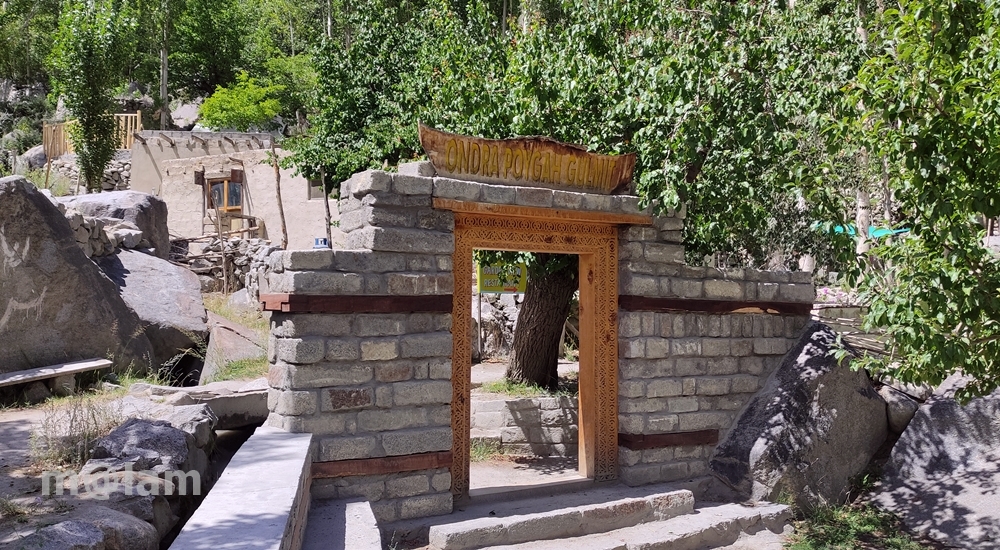
Ondra Poygah

Ondra Poygah

Ondra Poygah: Longest Staircase to a Cultural Marvel Nestled in the breathtaking landscape of Upper Hunza, the Ondra Poygah trail is a tribute to human perseverance, community spirit, and cultural preservation. This remarkable track, created during the winter of 2020/2021, serves as both a historical landmark and a pioneering venture aimed at promoting eco-tourism and adventure tourism in Gilgit-Baltistan. What is Ondra Poygah? The name “Ondra Poygah” combines the historical significance of Ondra Fort and the Wakhi word “Poygah,” meaning staircase. This project, conceived and executed by the dedicated people of Gulmit, transforms the climb to the ancient fort into a trail of cultural and scenic wonder. With 1655 stairs, this extraordinary staircase is the longest and highest in Pakistan, stretching approximately 4 kilometers and gaining an elevation of 1560 meters. The trail begins at the Gulmit Polo Ground and ends at the site of the ancient Ondra Fort, offering a captivating journey through history and nature. A Community-Driven Endeavor Ondra Poygah stands as a shining example of community collaboration. With no external funding or advanced machinery, over 200 volunteers from Gulmit worked tirelessly to construct the trail during the freezing winter months, when temperatures plummeted to -15°C. Men’s Role: Volunteers cut and blasted rock manually, dividing the tasks into manageable sections under the supervision of elders. Teams for management, finance, and marketing ensured seamless execution. Women’s Role: Around 30-40 women provided essential support by delivering fresh, home-cooked meals, tea, and snacks to the workers, braving harsh weather conditions to sustain the community effort. This project was not just about building a staircase; it was about bringing the community together, celebrating their heritage, and creating something remarkable for generations to come. Historical Roots of Ondra Poygah The origins of Ondra Poygah date back centuries. The Ondra Fort, now in ruins, once served as a strategic lookout point for the rulers of Hunza. In ancient times, peaks like Ondra were essential for monitoring enemy movements and organizing defenses. The tradition of “Poygah” became a way to train young men for physical endurance and foster unity within the community. Though the fort no longer stands, the newly constructed trail keeps its memory alive, linking the past with the present. Breathtaking Location and Scenic Views Situated atop a hillock, the Ondra Poygah trail offers 360-degree panoramic views of Gulmit and its surrounding wonders. To the south lies the serene Attabad Lake, while to the north, the trail is framed by the majestic Passu Cones, Borith Lake, and the Batura Range. The east and west reveal the grandeur of the Karakoram Mountain Range and the Hunza River, respectively. From the summit, trekkers can enjoy iconic sights such as the Passu Cones, Sheshper Peak, Gulmit Tower, and the charming Ghulkin Village. Seasonal Splendor One of the most enchanting aspects of the Ondra Poygah trail is its transformation through the seasons: Spring: A burst of pink and white as cherry, apricot, and almond blossoms adorn the valleys. Summer: A lush green landscape that brings life to the surrounding terrain. Autumn: A vibrant palette of orange, yellow, and red, showcasing nature’s artistry. Winter: A serene white blanket of snow, offering a peaceful and magical ambiance. Why Visit Ondra Poygah? Adventure and Eco-Tourism: A thrilling trek combined with a sustainable approach to tourism. Cultural Heritage: A tribute to the rich history of the Upper Hunza region and the resilience of its people. Unparalleled Views: A feast for the eyes with stunning vistas of mountains, lakes, and valleys. Community Spirit: A chance to experience firsthand the unity and hospitality of the Wakhi people. A Legacy of Strength and Unity The Ondra Poygah trail is more than a tourist attraction; it is a living symbol of the resilience, hard work, and creativity of the people of Gulmit. As a blend of history, culture, and natural beauty, this trail is a must-visit destination for travelers seeking adventure and meaningful connections with the heritage of Gilgit-Baltistan. Plan Your Visit Whether you’re an avid trekker, a history enthusiast, or simply someone seeking serenity in nature, the Ondra Poygah trail offers an experience like no other. Explore this hidden gem in the heart of Hunza and witness the unparalleled beauty and spirit of one of Pakistan’s most iconic regions. How to Reach Ondra Poygah Ondra Poygah trail starts from the polo ground in the Gulmit Valley, approximately 130 km from Gilgit and 30 km from Karimabad along the Karakoram Highway. Public transport and private vehicles can be used to reach the site. Nearby Attractions Ondra Poygah is situated in a region renowned for its scenic beauty. Visitors can combine their trip with other nearby attractions: Haldikish Attabad Lake Borith Lake Afsang View Point Hussaini Suspension Bridge Passu Glacier Rainbow Adventure Bridge Batura Glacier Passu Cones Gircha Mosque Khunjerab Pass

Beyond the news cycle lies a country of staggering landscapes, ancient civilizations, vibrant cultures, and unmatched hospitality—an experience that consistently exceeds expectations and defies imagination. Explore Pakistan.

Subscribe Now

Don’t miss our future updates! Get Subscribed Today!

©2019. Elements Kit. All Rights Reserved.

Scroll to Top